Welcome to WordPress. This is your first post. Edit or delete it, then start writing!
Blog
-
Sterling Silver in Tropical Climates
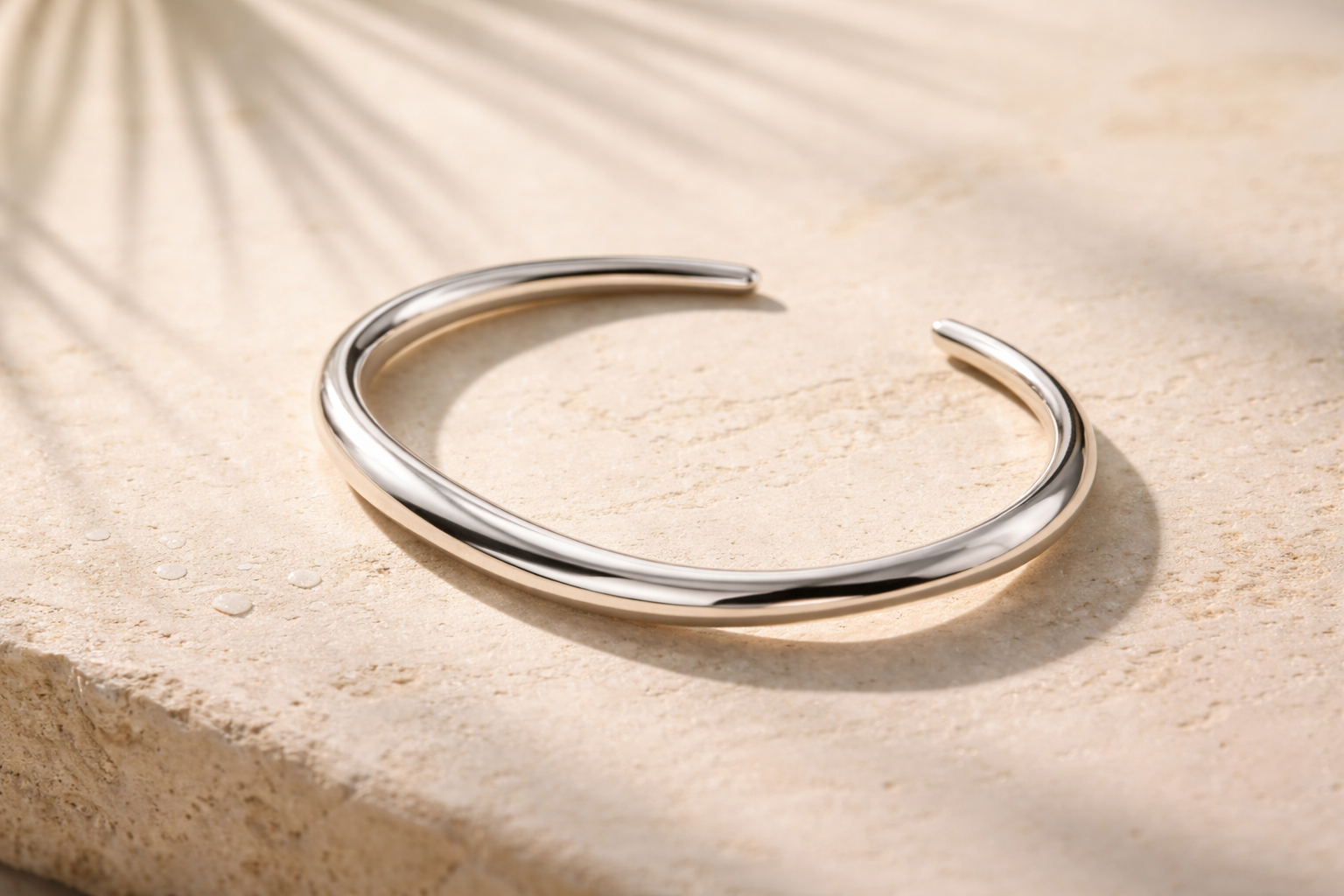
Sterling Silver in Tropical Climates
Sterling silver is defined by its clarity, structure, and refined tone.
In tropical climates, where humidity and temperature remain consistently elevated, that clarity is not easily preserved.
Surface change occurs more quickly.Environmental exposure becomes continuous.
This is not a defect.
It is a material response.
How Humidity Affects Silver
Silver interacts with elements present in the air.
In humid environments, moisture carries compounds that accelerate surface reactions.Skin chemistry, perspiration, and daily exposure further influence this process.
Over time, a thin surface layer forms.
This gradually reduces brightness.
The rate of change is not random.It is determined by environment, frequency of wear, and surface protection.
Material Behavior Under Daily Conditions
Jewelry worn in tropical climates is subject to constant variation:
• humidity throughout the day
• temperature shifts between indoor and outdoor environments• repeated contact with skin, fabric, and airUnder these conditions, materials that rely solely on surface appearance degrade more quickly.
Sterling silver behaves differently.
It maintains structural integrity, while allowing the surface to be restored through controlled care.
The Role of Surface Structure
Performance in tropical conditions is defined at the surface.
Sterling silver is often finished with protective layers designed to stabilize this interaction.
At Elyzzea, finishing is approached as structure.
Silver reinforcement.
Palladium barrier.Rhodium finish.Each layer serves a defined function:
• reinforcing the surface
• reducing direct exposure• slowing oxidationThis structure does not prevent change entirely.
It controls how the surface responds.
Maintaining Clarity Over Time
In humid environments, consistency depends on routine.
Recommended care:
• store jewelry in a dry, enclosed space
• avoid direct contact with perfumes and chemical products• remove pieces before prolonged exposure to water
• wipe surfaces after wear to remove residue• polish periodically with a soft, non-abrasive clothThese practices reduce surface buildup and maintain clarity between cleanings.
Designed for Tropical Wear
Jewelry is defined by how it performs in real conditions.
In tropical climates, this means continuous exposure — not occasional use.
Sterling silver supports this through:
• structural stability
• a surface that can be renewed• compatibility with daily wearWith proper structure and care, it remains consistent.
Not unchanged.
But controlled.
-
The Story Behind Elyzzea: Crafting Timeless Elegance for the Tropics
The Elyzzea Foundation
Sterling silver is defined by its luminosity and clarity.
In tropical climates, where heat and humidity are constant, that clarity is not easily preserved.
Surface finishes degrade. Tarnish forms earlier than expected.
This is not a flaw of silver.
It is a limitation of conventional finishing.
Elyzzea was created to resolve this.
Rather than treating plating as decoration, we approach it as structure.
A controlled system designed to preserve the character of sterling silver while reinforcing it for daily wear.
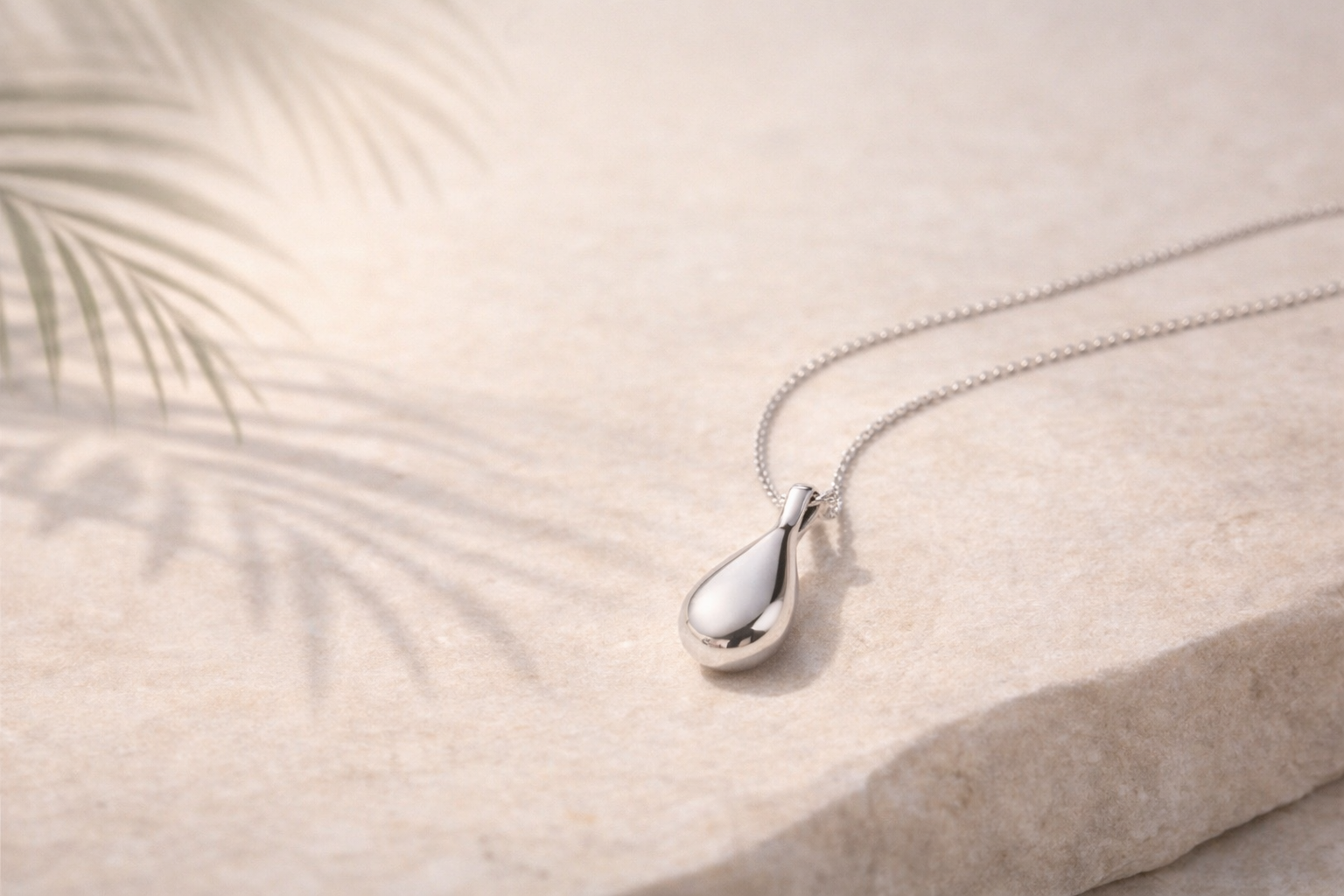
The Triple-Shield Architecture
Every Elyzzea piece begins with 925 sterling silver, selected for its natural brightness and structural integrity.
To stabilize and protect the surface, we apply a disciplined multi-layer architecture:
5-Micron Silver Reinforcement
A substantial silver layer that strengthens the base while enhancing luminosity.
Palladium Barrier
A corrosion-resistant intermediary layer that protects the silver beneath from environmental reaction.
Rhodium Finish
A refined outer layer that delivers clarity, hardness, and resistance to wear.
Each layer is measured, applied, and controlled.
Not for excess — but for permanence.
The Elyzzea Standard
Jewelry is not meant to be preserved in storage.
It is meant to live with you.Elyzzea pieces are engineered to retain their clarity through daily wear —
quietly, consistently, and without compromise.
Refined in appearance. Structured in design.
Enduring by intention. -
Does Sterling Silver Tarnish? The Honest Truth
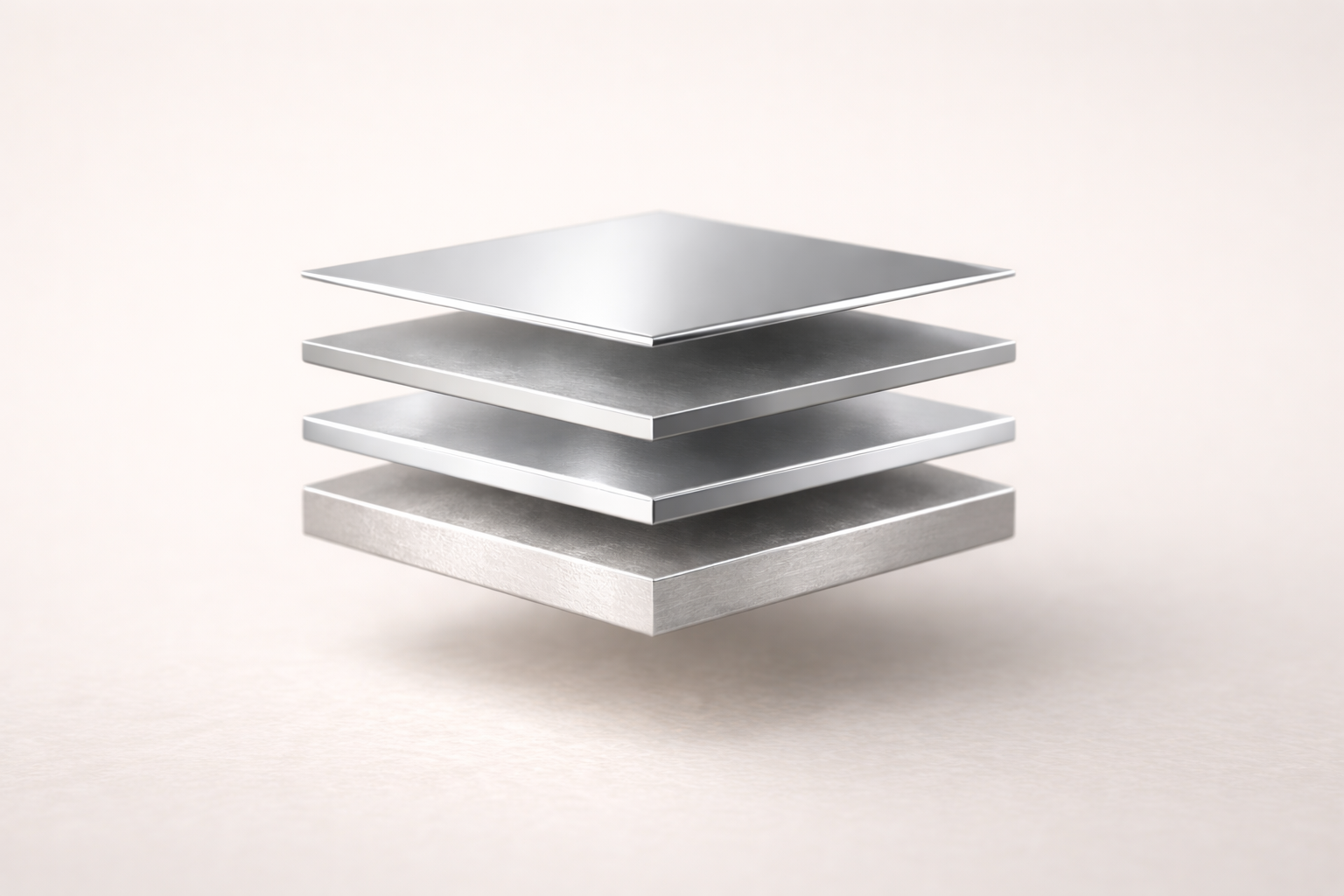
Does Sterling Silver Tarnish?
The Honest Truth
Sterling silver is defined by its clarity, refined tone, and versatility.It is suited to both occasion and everyday wear.
A practical question follows:
Does sterling silver tarnish?
The answer is yes.
Tarnish is natural, manageable, and not permanent.
Understanding why it occurs — and how silver is designed to age — allows well-crafted pieces to remain consistent over time.
What Is Sterling Silver?
Sterling silver is composed of 92.5% pure silver, combined with a small proportion of strengthening metals.
Pure silver alone is inherently soft.While visually bright, it lacks the structural durability required for everyday wear.
By introducing an alloy component, sterling silver gains the strength needed to maintain form while preserving its characteristic tone.
This balance of purity and structure defines sterling silver as a durable material for fine jewelry.
Why Does Sterling Silver Tarnish?
Tarnish is a natural surface reaction that occurs when silver interacts with its environment.
Primary contributors include:
• humidity and moisture in the air• natural skin oils and perspiration
• perfumes, lotions, and cosmetics• pollution and environmental exposureAs silver interacts with these elements, a thin surface layer forms.This process gradually reduces surface brightness.Tarnish does not indicate poor quality or damage.
It reflects the natural behavior of silver.
The Role of Protective Finishing
Sterling silver jewelry is finished with protective surface layers that slow natural oxidation.
These finishes can:
• reduce the rate of tarnishing
• create a barrier against moisture• preserve brightness through daily wearNo finish prevents change entirely.Controlled finishing extends how long the surface remains clear between maintenance.At Elyzzea, each piece is finished using a structured layering system:
Silver reinforcement.
Palladium barrier.Rhodium finish.Each layer serves a defined role — reinforcing the surface while preserving the clarity of sterling silver.
This structure allows the metal to retain its appearance through daily wear, including in humid environments.
Caring for Sterling Silver
Sterling silver is straightforward to maintain.
Recommended care:
• store jewelry in a dry place
• avoid direct contact with perfumes and chemicals• remove pieces before swimming or bathing
• gently wipe jewelry after wearing• polish occasionally with a soft clothThese practices help preserve surface clarity over time.
Why Sterling Silver Remains Timeless
Despite its interaction with the environment, sterling silver remains one of the most reliable materials in jewelry.
Its enduring use is defined by:
• durability suitable for everyday wear• comfort across most skin types
• a refined, understated appearance• the ability to be restored through simple careSterling silver does not remain unchanged.
It responds to its environment.
With proper structure and care, it remains consistent over time.
-
Sterling Silver and Fashion Jewelry
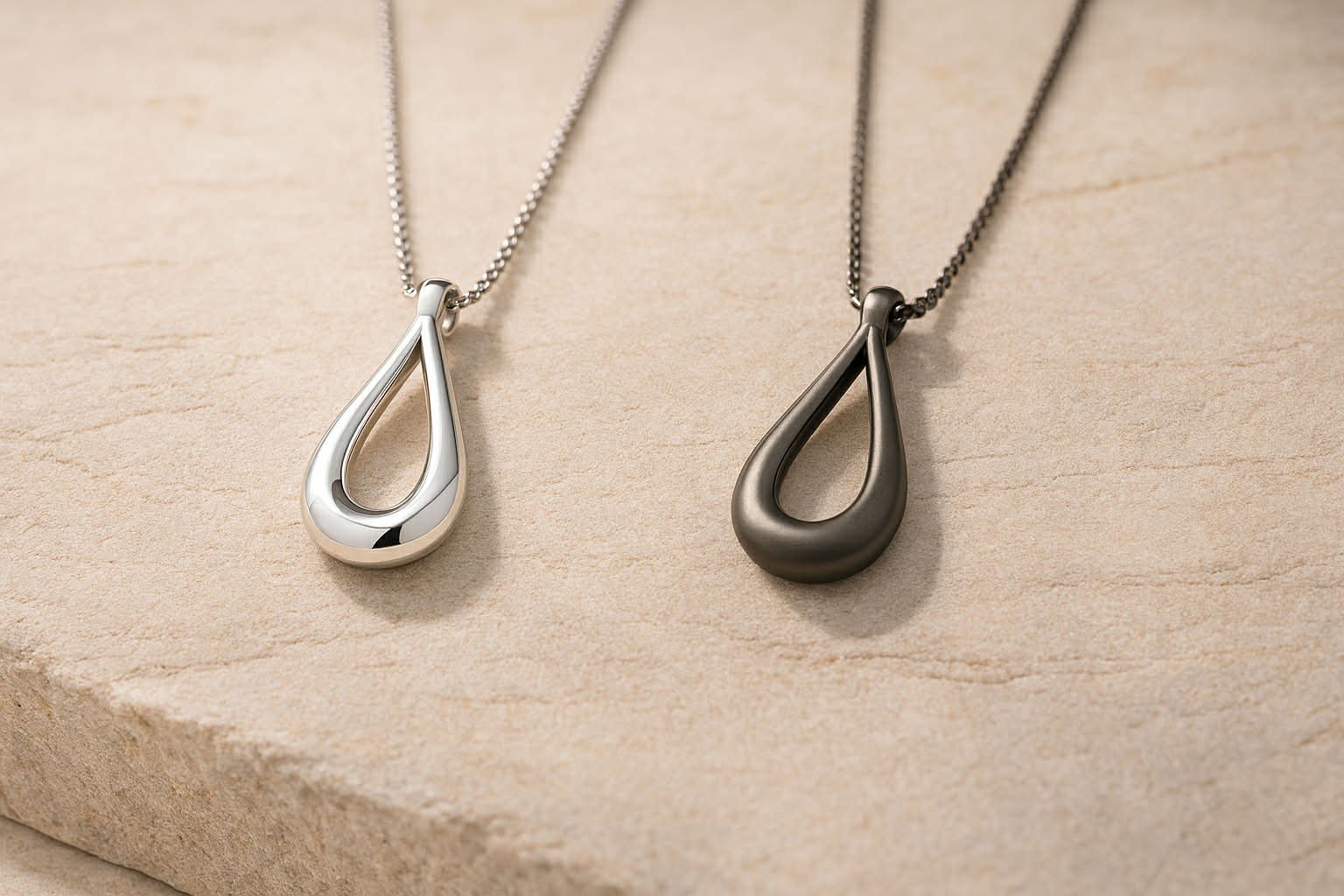
Sterling Silver vs. Fashion Jewelry
The Difference in Material Structure
Jewelry is often judged by appearance.Its long-term performance is defined by material.Two pieces may appear similar at first glance.Surface finish does not determine how a piece will age, wear, or respond to daily use.
The distinction is material.
What Is Sterling?
Sterling silver is a precious metal alloy composed of 92.5% silver, combined with strengthening metals for structural integrity.
This composition creates a material that is both:
• refined in surface tone• stable in structure for everyday wear
Sterling silver is used in fine jewelry for its ability to maintain form while allowing the surface to be restored through care.
What Is Fashion Jewelry?
Fashion jewelry is typically formed from base metals such as brass, zinc, or steel, finished with a thin decorative coating.
These pieces are designed for:
• short-term use
• trend-driven design• accessible productionSurface appearance may be similar at first.Material behavior differs over time.The Difference in Longevity
The distinction becomes visible with repeated wear.
Sterling silver develops a surface layer that can be removed through polishing, restoring clarity.
Fashion jewelry relies on surface coatings.With exposure to humidity, friction, and skin contact, these coatings gradually wear.
Once reduced, the base material becomes exposed.
Material Performance in Tropical Conditions
In warm, humid environments, material response is accelerated.
Sterling silver remains structurally stable and can be maintained through routine care.
Coated base metals are more reactive to moisture and repeated exposure.Surface finishes may degrade more quickly.
Material selection defines performance in daily conditions.
Choosing for Long-Term Wear
Jewelry is defined by how it is worn.
A piece intended for daily use must maintain both structure and surface over time.
Sterling silver provides a material foundation that supports repeated wear, controlled maintenance, and consistent appearance.
Not because it is rare.Because it remains composed.
-
The Craft of Care: Preserving the Brilliance of Sterling Silver Jewelry
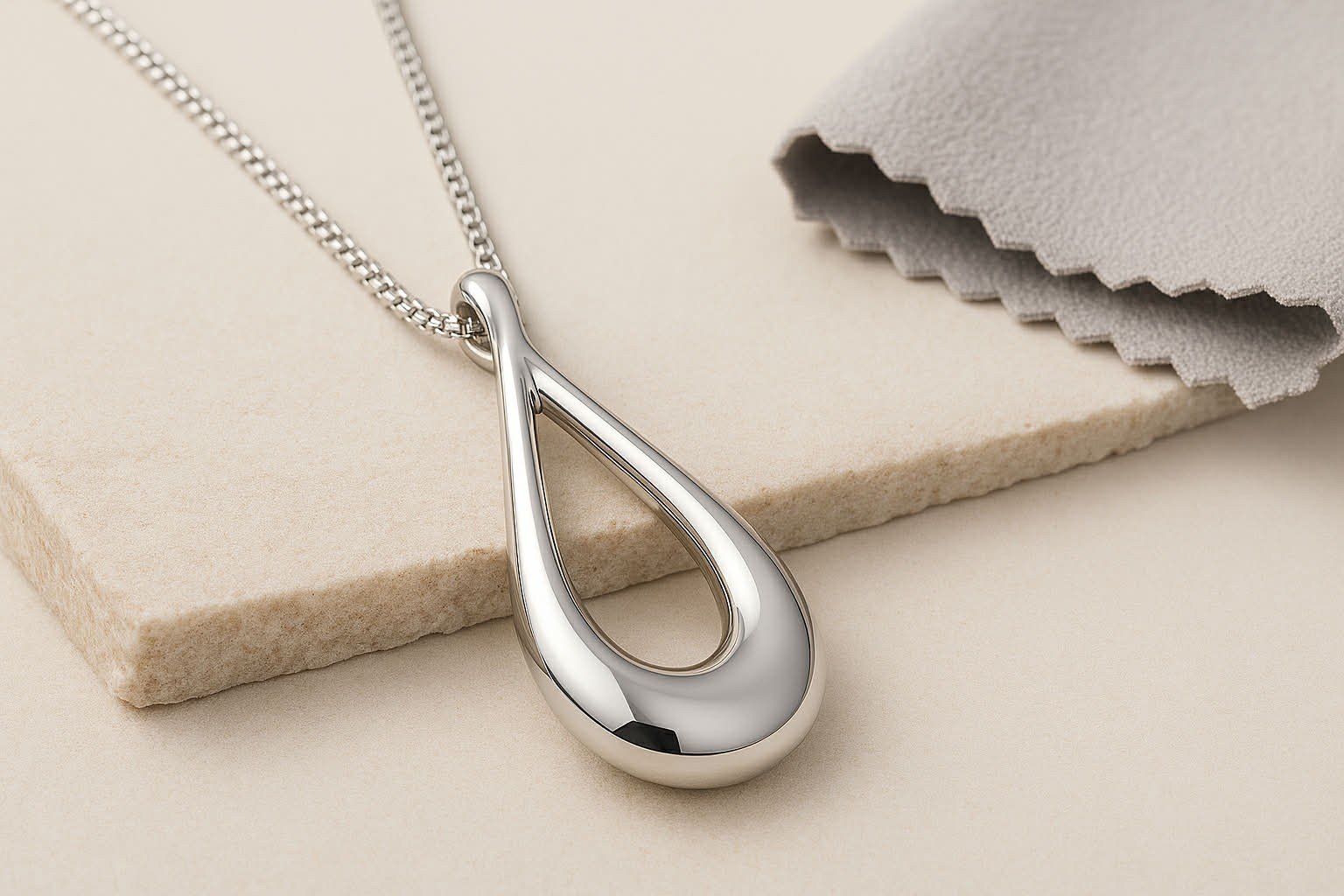
The Craft of Care
Preserving the Brilliance of Sterling Silver
Sterling silver is not simply a material.It is a surface that responds — to air, to touch, to time.Its appearance is not static.It evolves.
With considered care, it maintains its clarity — quietly, over time.
Why Sterling Silver Changes?
Sterling silver (92.5% pure silver) is alloyed for strength.This composition also makes it reactive to its environment.
Exposure to:
-
humidity
-
airborne pollutants
-
skin oils and perspiration
-
perfume and cosmetic products
can gradually lead to oxidation — a soft reduction in surface brightness.
This is not damage.It is a natural process.
What matters is how it is managed.
The Elyzzea Standard: Protection Through Structure
At Elyzzea, sterling silver is not left exposed.
Each piece is completed through a layered system:
-
a refined silver layer for surface clarity
-
a palladium barrier for stabilization
-
a rhodium finish for brightness and resistance
This architecture is designed to slow oxidation and preserve definition.
Even so, performance is extended through proper care.
Daily Practices That Preserve Clarity
Care is not complex.It is consistent.
After wear:
-
wipe gently with a soft cloth
-
remove traces of moisture, oil, or residue
Before exposure:
-
avoid direct contact with perfume or lotion
-
wear jewelry after applying products
During storage:
-
keep pieces in a dry, enclosed space
-
avoid prolonged exposure to humidity
These small actions maintain surface clarity over time.
When to Clean
If brightness begins to soften:
-
use a soft, non-abrasive polishing cloth
-
avoid silver dips and abrasive compounds
-
avoid harsh chemicals and ultrasonic cleaning
For deeper cleaning:
-
use mild soap with lukewarm water
-
dry thoroughly with a soft cloth
This restores clarity without compromising the finish.
A Considered Approach to Care
Care is not about preventing change.It is about maintaining condition.A well-constructed piece does not demand attention —it responds to it.
The Elyzzea Perspective
Jewelry is designed to endure —not only in structure, but in appearance.Because refinement is not defined at the moment of purchase,but in how a piece maintains its clarity over time.
-
-
What Is Silver, Palladium & Rhodium Plating in Jewelry?
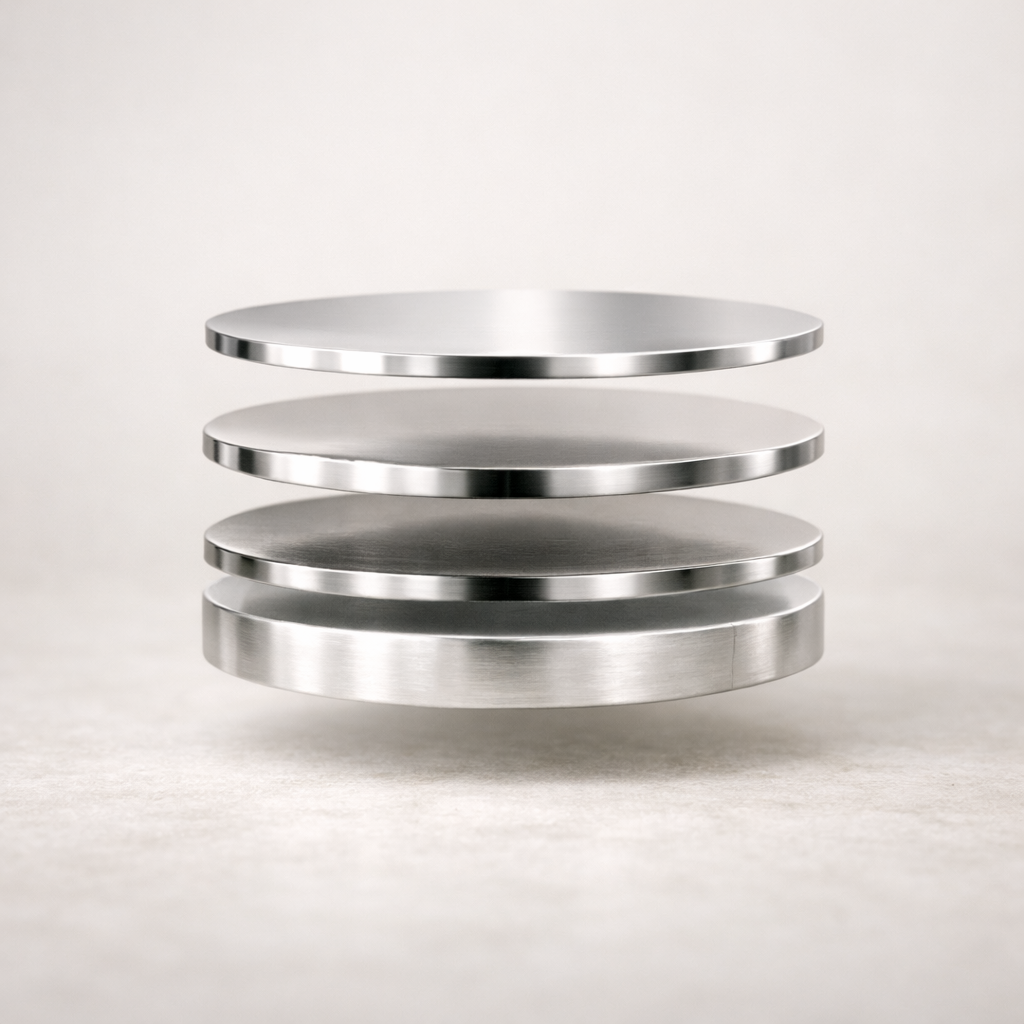
The Layers Beneath the Surface
Understanding the Craft of Sterling Silver Plating
True craftsmanship is rarely loud.It is expressed in layers — in decisions not immediately seen, but precisely felt.
In fine sterling silver jewelry, what appears as a single luminous surface is a carefully engineered composition. Each layer serves a purpose. Each micron reflects intent.
This is the architecture behind lasting brilliance.
The Foundation: Sterling Silver 925
Every piece begins with sterling silver — 92.5% pure silver, balanced with alloy for strength and durability.
It is valued for its natural clarity and its ability to evolve with wear, developing a character unique to its wearer.
At Elyzzea, this base is not treated as a hidden core.It is the structural foundation of the piece.
The First Refinement: Silver Plating
A layer of fine silver is applied to enhance brightness and surface uniformity.
This is where clarity begins.
Unlike ultra-thin flash plating used in high-volume production, a more considered application ensures the surface does not simply shine — it maintains its refinement over time.
It is the difference between temporary brilliance and sustained clarity.
The Invisible Shield: Palladium Barrier
Between brightness and longevity lies protection.
Palladium functions as a barrier layer, preventing oxidation from migrating to the surface and stabilizing the layers above it.
Though unseen, its role is critical.
It preserves integrity.
It extends durability.It ensures consistency over time.The Final Expression: Rhodium Finish
The outermost layer defines the visible surface.
Rhodium — one of the most reflective precious metals — is applied as a fine finishing layer. It enhances brightness, improves resistance to tarnish, and creates a crisp, mirror-like clarity.
Measured in fractions of a micron,yet essential in performance.It is not about thickness.It is about precision.
Why Layers Matter
In many pieces, plating is treated as a surface detail — thin, temporary, and easily worn away.
At Elyzzea, plating is engineered as a system.
Layered, not coated.Considered, not accelerated.
Each layer contributes to:
-
how light is reflected
-
how the piece evolves over time
-
how it rests against the skin
-
how long it retains its clarity
What appears as shine is, in fact, structure.
The Elyzzea Perspective
Luxury is often perceived as something visible.
But its true expression is often concealed — in decisions not immediately seen, yet consistently experienced.
The strength beneath the polish.
The protection beneath the surface.The structure beneath the form.Because the most refined pieces are not made for a moment —they are made for continuity. -